
We are Better Together - Newsletter October 2022
8. ‘The best thing I have been involved in’ – mentor gives his views on ‘reverse mentoring’ scheme
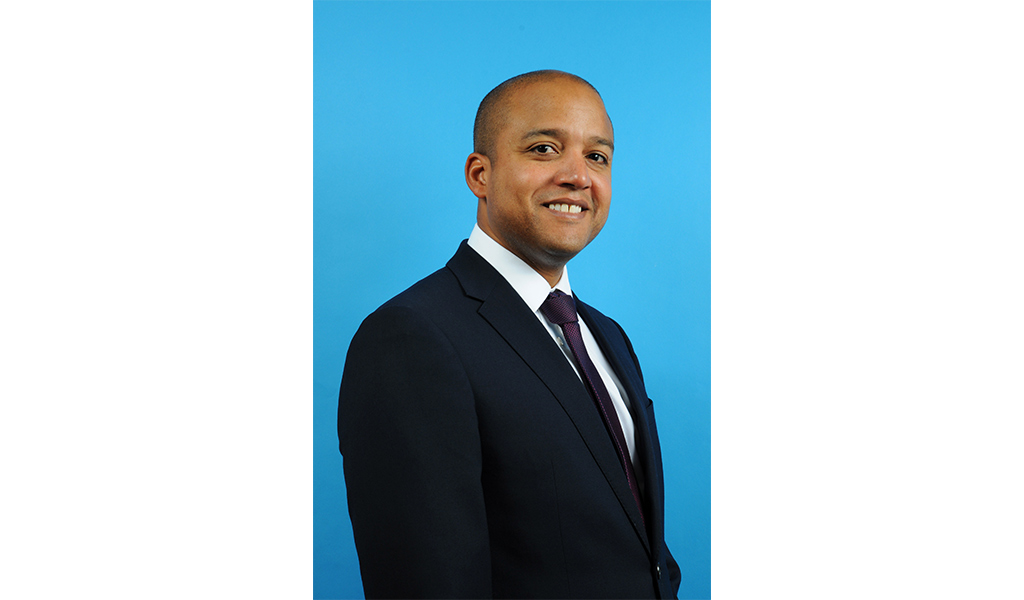
Detective Constable and Chair of the Gloucestershire Ethnic Minority Association, Rob Brown, was sceptical of reverse mentoring when first introduced to the idea.
Reverse mentoring is when someone from a marginalised group uses their voice and shares their experiences with senior leaders, with the hope of spreading awareness and evoking change within the organisation towards greater diversity and equality.
Rob said: “I was very cynical – obviously being black myself I just thought this was another scheme for someone else to get promoted off the back of.”
However he was keen to encourage change.
Working in policing and being black can be challenging. Police across the country do not have a positive reputation or track-record with the public when it comes to race equality.
Rob wanted to be part of something to help improve that. He said: “The initiative was to break down barriers and to get senior management aware of issues around race – I thought to myself, if I don’t take part, I have no right to moan if they get things wrong. I wouldn’t have a leg to stand on.
“Get involved or don’t moan was the way I saw it. If it doesn’t work, at least I can say I took part and I tried. So that’s where I started.”
However the initial meeting of Rob and his fellow reverse mentors didn’t go far in changing his scepticism about the scheme.
He said: “I didn’t like the first day of our training. They wanted us to have our photograph taken together and I thought here we go again, another PR bit.
“We always have to have photos of the ethnics all together to make everything look hunky-dory and that we’re doing so well with diversity within the Force. So I refused to have my photograph taken as I thought I didn’t come here for this.”
Rob found himself navigating the fine line between wanting to represent the communities he serves and feeling diversity was becoming the new ‘greenwashing’ - where people of colour are showboated for the sake of appearances.
Off to a slightly rocky start, and with a sceptical mind-set, Rob was pleasantly surprised.
Reflecting on the conversations he has gone on to have with his mentees he’s proud, and certain they made a real difference.
Rob added: “We discussed my life, my perspective, what things are like at work. They went on to talk about their families.
“It was interesting - a lot of them took away what we had been talking about and then went home and discussed it with their families. I was glad to see that seed had been planted and was blossoming out.
“One of the mentees was quite emotional – our conversations were very full and frank. I just tell it how it is. I told them how things are seen and viewed from our perspective, and this mentee really hadn’t thought of things that way. It was emotional and powerful.”
On reflection Rob felt that his mind had been entirely turned by reverse mentoring. From initially being wary and cynical as to what change this scheme could actually bring, he now thinks it has been a huge success.
He added: “I think it’s the best thing I have been involved in, in terms of race equality. I was cynical about it, but it was very good and it has certainly changed my mentees.
“It has had a positive effect on equality and there are not many times you can say that unfortunately within policing.”